

Let me start with a question:
Have you ever worked with an 8th-grade student who struggles with reading comprehension, vocabulary, or even writing complete sentences—and thought, “This feels like 3rd-grade all over again?”
If so, you’re not alone.
This phenomenon is what I call “The Literacy Cliff.”
🔍What Is the Literacy Cliff?
The Literacy Cliff refers to a sudden and noticeable drop in students’ ability to read, comprehend, and engage with grade-level text—often most visible around middle school, especially in 7th and 8th grade.
But here’s the key:
The problem didn’t start in 8th grade.
It started years earlier, often around 3rd grade.
📚Why 3rd Grade Matters So Much
In education, 3rd grade is a critical turning point.
Up until 3rd grade, students are primarily:
👉 Learning to read
After 3rd grade, they are expected to:
👉 Read to learn

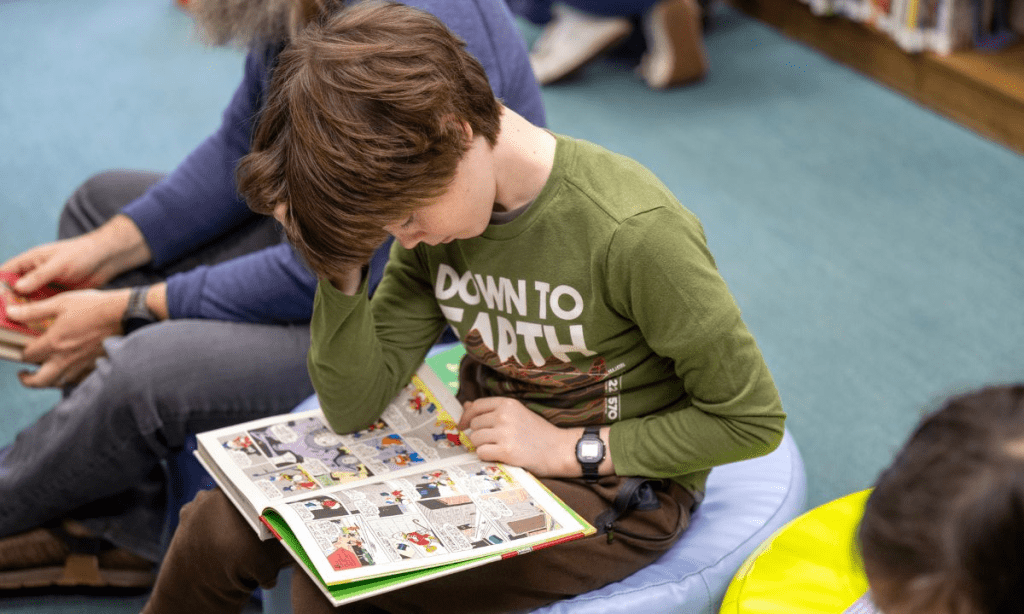
If a student hasn’t mastered foundational literacy skills by the end of 3rd grade—such as:
- Fluency
- Decoding
- Vocabulary
- Basic comprehension
They begin to fall behind… quietly at first.
⚠️What Happens Between 4th and 8th Grade?
Here’s where things get tricky.
From 4th through 8th grade:
- Text becomes more complex
- Vocabulary becomes more academic
- Sentences become longer and more abstract
- Students must analyze, infer, and explain
But if a student is still struggling to decode or understand basic text…
👉 They start guessing
👉 They avoid reading
👉 They lose confidence
👉 And they fall further behind each year
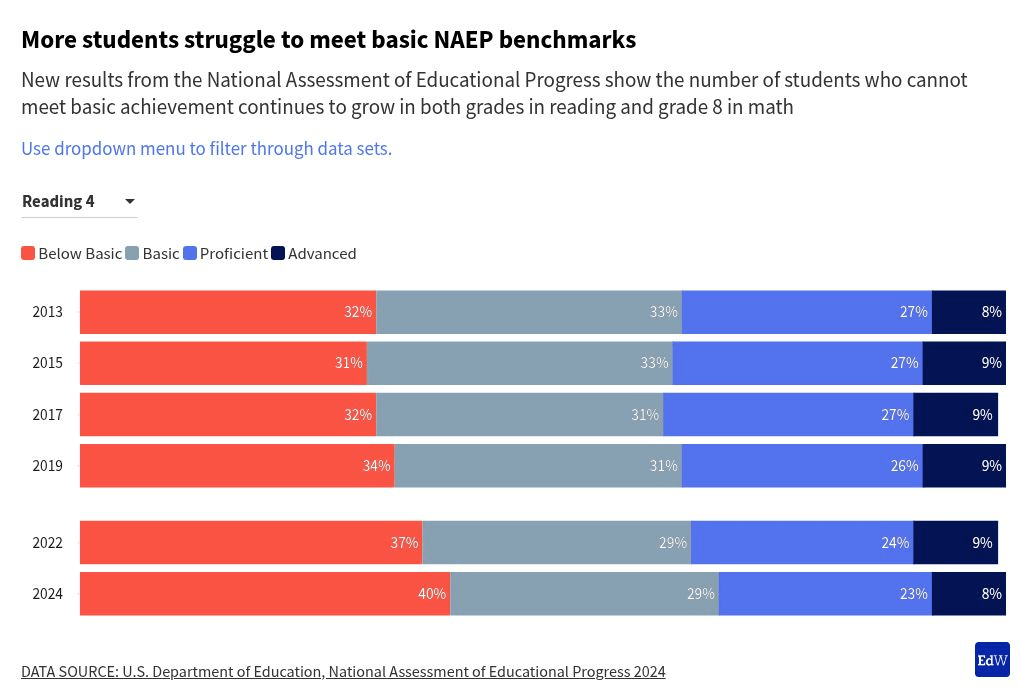
By the time they reach 8th grade, the gap has widened so much that it feels like they’ve gone backwards.
💡Why It Feels Like 3rd Grade Again
When I work with middle school students, I often see:
- Difficulty identifying the main idea
- Trouble summarizing a passage
- Weak vocabulary
- Struggles with writing complete, organized thoughts
These are skills we typically expect to see mastered by late elementary school.
So what’s happening?
The foundation was never solid.
And just like a building with a weak base, everything above it becomes unstable.
🧠The Emotional Side of the Literacy Cliff

Let’s not forget the emotional impact.
Students experiencing the Literacy Cliff often:
This is especially true for students who:
- Feel embarrassed
- Avoid participation
- Shut down during reading or writing tasks
- Believe they are “not smart.”
- Once did well in earlier grades
- Or test well but struggle in class performance
The frustration is real—and it must be addressed with patience and understanding.
🛠️How Do We Fix It?
Now for the good news—this can be fixed.
But it requires going back to the basics.
Here are some key strategies:
1. Diagnose the Gaps
Find out exactly where the breakdown is:
- Is it phonics?
- Fluency?
- Vocabulary?
- Comprehension?
2. Rebuild the Foundation
Yes—even in 8th grade, we may need to revisit:
- 2nd and 3rd-grade reading skills
- Sentence structure
- Basic grammar
And that’s okay.
3. Use High-Interest, Lower-Level Texts

Students need material that:
- Matches their reading ability
- Still respects their age and interests
4. Teach Vocabulary Explicitly
Academic vocabulary is key to success in all subjects.
5. Incorporate Writing Daily
Reading and writing go hand-in-hand.
Short responses, journaling, and structured writing help reinforce comprehension.
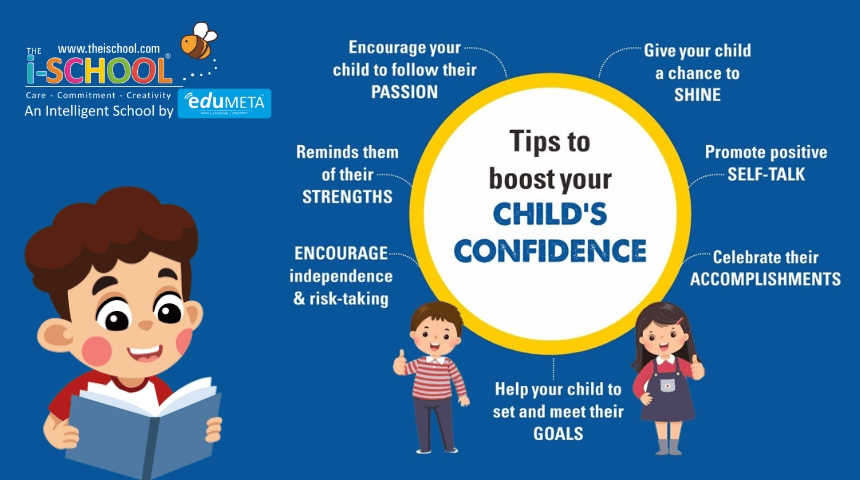
6. Build Confidence First
Before skill comes confidence.
Celebrate small wins:
- Finishing a paragraph
- Understanding a passage
- Writing a complete sentence
🎯 Final Thoughts
The Literacy Cliff is real—but it’s not permanent.
When we recognize it early and respond with intentional, structured support, students can:
- Catch up
- Regain confidence
- And thrive academically
Remember:
👉 It’s not that the student can’t learn
👉 It’s that they were missing key building blocks
And with the right support, we can help them rebuild.
If you found this blog post helpful, please share it with a parent, teacher, or colleague who needs to hear this message.
And if you’re looking for personalized support for your student, feel free to reach out to me at Mr. B The Teacher, LLC.
Until next time—keep teaching, keep learning, and keep making a difference.

Leave a Reply